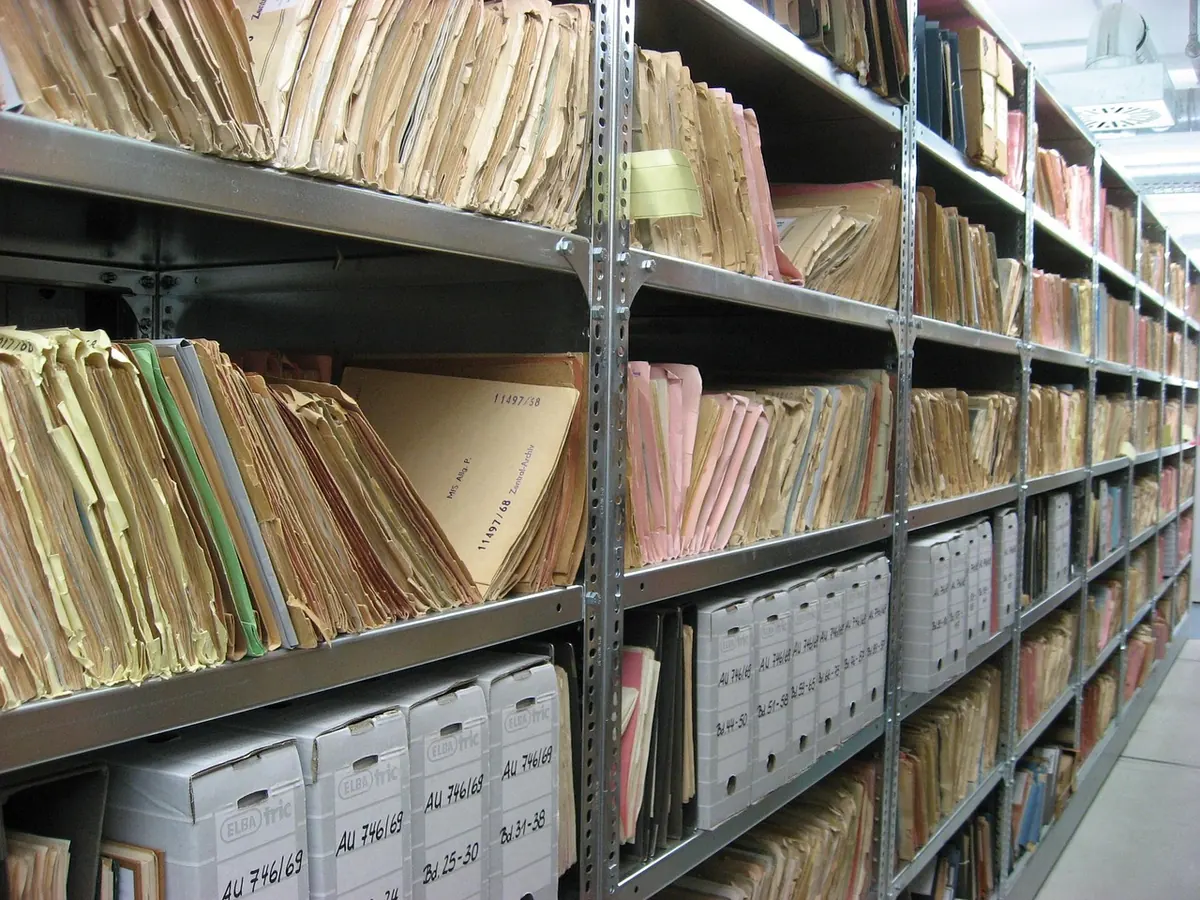
Every investigation eventually reaches the point where the reporting runs out and the paperwork begins. You have a name, a date, a contract number, or the memory of a meeting that someone would rather forget. From there, two doors open: a public records request to the agency that holds the file, or the courthouse where disputes about that file have already been argued in writing.
They look interchangeable from the outside. They are not. One gets you the institution's own account of itself, filtered through its lawyers and its exemptions. The other gets you sworn statements, exhibits and the slow, adversarial paper trail of a lawsuit — if a case exists, if it wasn't sealed, and if anyone bothered to file the documents you need. Choosing the wrong door first can cost you a month you did not have.
Two Different Products, Not Two Versions of the Same Thing
A freedom of information request asks an agency to search its own holdings and hand over records it created or received: emails, inspection reports, invoices, call logs, meeting minutes. What comes back has been reviewed by someone whose job is to withhold as much as the law permits. The gaps are part of the story, and you should treat them that way.
Court records are a different animal. A docket is the residue of an argument. You get the complaint (allegations, not findings), the answer, motions, affidavits, deposition transcripts, exhibits attached to briefs, and the judge's orders. These documents were written by parties with opposing interests, which is why they tend to be specific in ways that press releases never are.
The distinction matters for what you can claim. A records production establishes that the agency held a document. A court filing establishes that someone said something under oath, or risked sanctions for saying it. Neither establishes that the content is true. That last step is your job, and it usually requires a third source.
Speed: The Docket Usually Wins, With Asterisks
If a case has been filed and is not sealed, the document is often available the same day. Federal courts and a growing number of state systems offer electronic access from a laptop; rural counties may still require a phone call, a records clerk with patience, or a drive. The asterisks are real, though. The document you want may not exist yet, may be covered by a protective order, or may have been filed under seal with a one-line justification nobody challenged.
FOIA runs on a different clock. Most statutes set a deadline for an initial response — twenty working days is the common figure — but that deadline governs the reply, not the release. Expect an acknowledgment letter, then a request for clarification, then an extension citing unusual circumstances, then a backlog. Narrow, dated, specific requests move faster than sweeping ones. Ask for rolling releases so you get pages as they are cleared rather than waiting for the whole file.
Rule of thumb: a docket search takes an afternoon, a contested records request takes a season. If your story runs next week, the courthouse is the only realistic option. If you are building something for the next six months, the slow route may produce the better material.
Cost: Fees Are Small Until They Aren't
Public records fees fall into three buckets: search time, review time, and duplication. Journalists and public-interest requesters often qualify for reduced fees or a full waiver, but the waiver is not automatic. Ask for it in the first letter, in one sentence, and explain where the work will be published. State a spending cap in the request as well, so you are not invoiced for a search you never budgeted.
Courts charge differently. Electronic access is metered per page in many systems, the clerk charges for copies, and certified copies cost more than plain ones. The genuine expense is usually transcripts. Deposition and hearing transcripts are paid for by the parties, and even when a transcript is filed, the accessible copy may be a scanned image with the exhibits stripped out.
Both routes reward the same habit: ask what it will cost before you commit, in writing, and keep the answer.
Accessibility: Where Each Route Breaks Down
Most failed requests die from the same handful of causes, and they are worth knowing before you file anything.
- Wrong agency, right question. Records follow custody. The inspector's report may sit with the regulator, the contractor's file with the procurement office, and the emails with a third body entirely.
- No index exists. Agencies must search for records they hold; they are not obliged to create a document that never existed, or to answer a question phrased as a request.
- Exemptions and redactions. Personal privacy, ongoing investigation, commercial confidentiality and legal privilege do the heavy lifting. Ask for a log of what was withheld and under which provision.
- Name problems at the courthouse. Corporate names change, individuals sue under variants, and a spelling error in a caption hides the case from you. Search by docket number, attorney and date range as well as party name.
- Sealed, expunged, juvenile and grand jury material. These are closed for reasons, and no amount of persistence opens them without a court order.
- Settlements. Cases that settle quietly often end before the interesting exhibits are ever filed — which is precisely why some defendants settle.
If you are up against a sealing order or a protective order, that is a legal problem, not a reporting problem. Get a lawyer before you file anything.
Evidentiary Value: What Holds Up in Print
Court filings carry weight because someone signed them. A deposition transcript is testimony, given under oath, with a court reporter's certificate behind it. An exhibit attached to a summary judgment motion has survived an admissibility fight between two parties who had every reason to knock it out. When you quote a defendant's own brief back at them, the quote is close to unanswerable.
Records material is different. It is contemporaneous, internal, and written for no audience at all, which is exactly why it reads so well. But nobody authenticates it, nobody cross-examines its author, and the agency will happily supply context once you publish. Check whether you received the final version or a draft, whether the attachments came through, and whether the redactions change the meaning of the sentence above them. Keep the production exactly as delivered — headers, routing stamps and all.
Cite a court document by docket number and filing date. Cite a records production by agency, request number and date received. Two lines of housekeeping that decide whether a lawyer can dismiss your story or has to answer it.
Running Both Routes Together
The strongest investigations do not choose. They use one route to aim the other.
Start at the courthouse. A docket tells you what the fight was about, who the lawyers are, and which documents already exist. Then read the exhibits for references to records you cannot see: the inspection report cited in paragraph 34, the internal email quoted in a deposition, the memo the agency declined to produce. That reference becomes a precise, narrow, hard-to-refuse request.
Then reverse it. A records production often mentions litigation, a settlement, or a complaint you did not know existed. Pull the docket, and you have sworn testimony about the very document you just obtained — a far better story than either piece alone.
A Short Checklist Before You File
- Write down, in one sentence, the claim you need to support. Everything else follows from that.
- Search the docket first. It is fast, it is public, and it tells you what already exists.
- Narrow the records request to a record type, a custodian and a date range. Vague requests get vague answers, eventually.
- Ask for a fee waiver and state a cap in the same letter.
- Request a rolling release and a withholding log.
- Diary the statutory deadline, and appeal when it passes. Appeals are where documents actually get released.
- Log every production: date received, pages, redactions, who signed the cover letter.
Photo: creativesignature / Pixabay